
Ukeireru
The Japanese Art of Acceptance for Leadership
What is Ukeireru?
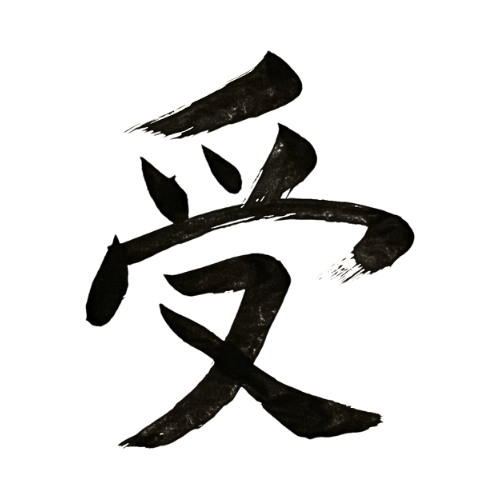
In Japanese, ukeireru (受け入れる) literally means “to receive” or “to accept.” It’s often described as a deep cultural practice of accepting reality as it is – oneself, other people, and the moment at hand. As psychologist Scott Haas notes, Ukeireru “means much more than self-acceptance. It means acceptance of our relationships in our families, at work, and in our communities,” drawing on Zen Buddhist and Shinto values to create well-being. In other words, ukeireru invites us to let go of resistance and meet life head-on. Crucially, this is not passive resignation. Instead, acceptance is about “seeing clearly without resistance”, making room for reality to flow through us.
“Sometimes it’s necessary to accept who you are… It’s not the same thing as resignation… it’s accepting the current situation in order to make peace with it and either make the best of it or move on.” — Masato Ishida
In Zanshin workshops, participants actively embody Ukeireru through mindful listening and grounded feedback. Instead of reacting defensively, they practice receiving challenges and perspectives with presence, openness, and clarity. Lets dive in, shall we?
Roots and Tradition of Acceptance
Ukeireru is rooted in Japan’s centuries-old blend of Zen Buddhism, Shinto animism, and martial culture. All these traditions value harmony with nature and change. As scholar Shigenori Nagatomo explains, Japanese thought sees humans as “beings in nature,” so acceptance is about establishing harmony with the world, not fighting it.
Similarly, Masato Ishida notes that acceptance means “accepting the current situation in order to make peace with it,” which helps people move on rather than get stuck. These ideas echo the Bushidō (samurai code) and Zen teachings: for example, Miyamoto Musashi’s Dokkōdō famously begins, “Accept everything just the way it is.”
This principle – sometimes called the “resolute acceptance of death” – is about meeting even the worst-case scenario without fear. In Zen practice, surrendering the ego (as Dōgen put it, “to study the self is to forget the self”) leads to genuine clarity. By integrating these philosophies, Ukeireru became a working mindset: one adapts to change with equanimity rather than fighting it.
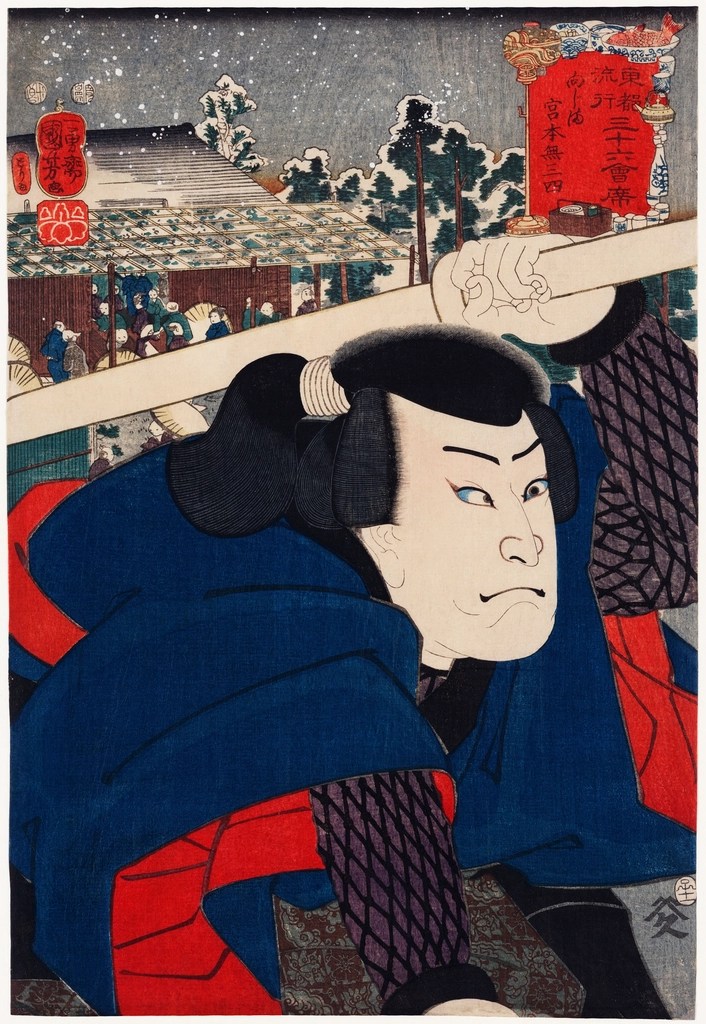
“Accept everything just the way it is.”
— Miyamoto Musashi, DokkōdōThis uncompromising maxim from Japan’s most legendary swordsman reminds us that clarity begins with surrender.
Ukeireru in Everyday Life
In practice, ukeireru shows up in daily Japanese life. Even simple rituals teach it: for instance, children say “gochisōsama” to thank the cook and then clean their classrooms after lunch – a Zen-inspired way of honoring the moment and taking responsibility (a practice known as zokinkake). This ingrains respect and acceptance of one’s role. People also use vivid metaphors. Interpreter Yumi Obinata describes ukeireru as “used by a mother with a child to accept something gently”. In a crisis, one might “stand sideways” in a raging stream – feeling the pressure less – showing how people in Japan will “accept disasters as part of life and let them flow away”. Rather than resist hardship, they bend and adapt.
In our fast-paced world, adopting Ukeireru has tangible benefits. It means welcoming the present experience fully. For example, research and Zen teachers recommend slowing down and being mindful of simple acts (eating slowly, spending time in nature, soaking in a bath). In fact, one psychologist notes that taking “time out to eat and drink slowly… enjoying time in nature, [and] listening more and being less reactive” are concrete ways to practice acceptance in daily life. These small rituals build awareness and calm.
Actionable steps to invoke Ukeireru
Connect with nature.
Go for walks or work outdoors. As Nagatomo puts it, aligning with the natural world is fundamental to acceptance.
Mindful breathing and meditation.
Practice brief meditation or deep breaths to ground yourself. This builds clarity and patience, slowing the rush of thoughts (in ukeireru practice “time slows down”).
Slow down routine tasks.
Take extra time eating a meal, drinking tea, or even cleaning your workspace. These deliberate acts train you to be present and non-reactive.
Listen fully and pause.
In conversations or meetings, make it a rule to listen without interrupting, and to respond only after thinking. This cultivates empathy and prevents knee-jerk reactions – key elements of Ukeireru.
Embrace gradual change.
When problems arise, make small adaptive adjustments rather than forcing a quick fix. Incremental change (the slow-cook philosophy Ishida calls it) is more sustainable.

Transforming the Individual
When we train ourselves to “accept” rather than resist, profound personal changes follow. Acceptance reduces stress and anxiety: one U.S. psychologist observes that ukeireru lets us recognize crises as temporary and even envision them becoming “a memory,” which brings calm to daily life.
It also sharpens focus: by releasing the struggle against reality, we see situations more clearly and can concentrate on what can be done. Practicing Ukeireru builds mental habits of observation, patience, and comprehension, allowing us to act deliberately rather than react emotionally. In Haas’s words, ukeireru “creates a state of immediacy – of being present” which makes us more attentive to others’ needs.
In short, leaders who adopt this mindset often report feeling calmer, more resilient, and more empathetic. They bounce back from setbacks faster and connect better with their teams. By prioritizing “others’ needs before your own” and viewing oneself as part of a larger whole, people experience less isolation and more support. This emotional shift transforms anxiety into acceptance, turning obstacles into learning opportunities.
Benefits of the Ukeireru mindset

Stress Resilience
Crises are seen as temporary. Recognizing that “crises do not last” brings hope and composure under pressure.
Clarity & Focus
Acceptance clears mental clutter. As one teacher puts it, it lets you “see clearly without resistance,” leading to smarter decisions.
Empathy & Patience
By being present, you listen better. Leaders become more compassionate and patient, since they’re not projecting frustration.
Well-being
Psychological research confirms that being non judgmentally accepting of one’s thoughts and feelings boosts mental health.
Growth Mindset
Viewing events with openness (instead of blame) fosters learning. You accept reality and then choose how to grow from it.

Ukeireru in Zanshin Leadership Workshops
In Zanshin Leadership’s martial-arts–inspired workshops, Ukeireru is a core skill. Participants practice exercises that require full presence (e.g. mindful listening drills or partner feedback sessions like the one pictured). Trainers define Ukeireru as the attitude that builds “emotional maturity” and “psychological safety” on teams.
In practical terms, this means leaders are coached to stay open-minded when under pressure, not to jump to blame, and to acknowledge reality even when it’s hard. When a team faces conflict, a manager using Ukeireru will first “accept” (listen and empathize) before reacting, creating a space where people feel heard.
This approach yields immediate payoffs: Zanshin notes that acceptance “enhances decision-making, team dynamics, and the ability to hold space for complexity and change.” That translates to clearer priorities during a crisis, smoother collaboration across departments, and a culture where new ideas are welcomed rather than shot down.
In one workshop, for example, mid-level managers role-played a tense negotiation. Those who stayed grounded in acceptance were better at defusing anger and finding creative solutions; others fell into blame.
Over time, embracing ukeireru within Zanshin leadership training cultivates trust and cohesion. Teams learn that mistakes or bad news won’t be punished but will be handled with candor and care. In short, Ukeireru teaches leaders to hold the space – to remain attentive and composed even when their project or team is off course.
Practical takeaways for leaders:

Listen
first.
Before arguing your point, fully hear others. This simple step embodies acceptance and often resolves misunderstandings early.
Leadership begins with presence. Before asserting your perspective, take the time to fully hear what others are expressing. Avoid interrupting or mentally preparing a counterpoint. This practice, while deceptively simple, fosters psychological safety and demonstrates respect. When team members feel genuinely heard, tensions often ease, and collaboration becomes more fluid. This form of active listening not only resolves misunderstandings but also prevents them. It reflects a core martial arts principle: recognize and align with the energy in front of you before responding.

Frame change
positively.
When plans derail, model a calm mindset. Saying “I see the challenge, let’s adapt” (instead of panic) reassures the team.
In any project or organization, unexpected shifts will happen. Leaders who model steadiness in the face of change influence more than just outcomes. They shape the emotional atmosphere. When plans fall apart, respond by saying something like, “This is a challenge we did not expect. Let us take a breath and adapt.” That moment of grounded response becomes a cue for the team to reset. In martial arts, when an opponent surprises you, reacting with panic leads to mistakes. Calm adaptation, on the other hand, opens the door to mastery.

Build rituals of reflection.
Zanshin Leadership sessions often begin or end with short rituals such as one-minute meditations, breathing exercises, or expressions of gratitude. Introducing these in your team can normalize the act of checking in with reality and each other.
These are not symbolic gestures. They help the group pause, observe their internal state, and return to the present moment. When integrated into team culture—such as weekly check-ins, intention-setting before meetings, or brief debriefs after a project—these practices normalize reflection. In martial arts, we bow in and bow out of the dojo to mark transitions. In leadership, we can create similar moments of presence and connection through consistent rituals.
Ancient Wisdom on Acceptance
Acceptance has long been a cornerstone of Japanese wisdom. As Musashi’s Dokkōdō teaches, “Accept everything just the way it is.” In martial arts, turning resistance into peace is a classic strategy: Aikido founder Morihei Ueshiba famously wrote, “The Art of Peace is the principle of nonresistance. Because it is nonresistant it is victorious from the beginning… invincible because it contends with nothing.” These maxims remind us that power often lies in letting go of struggle. In modern terms, ukeireru channels this wisdom into everyday leadership – transforming stress into clarity and conflict into cooperation. By learning from these traditions (whether through Zen meditation or martial arts drills), business professionals can harness acceptance as a superpower: achieving goals not by force, but by flowing with reality.
In the end, Ukeireru is more than a philosophy; it’s an actionable mindset. When leaders practice full acceptance, they inspire calm confidence in themselves and their teams. This leads to organizations that are more adaptable, creative, and humane. As one Japanese saying goes, “Better than a hundred days of diligent study is one day with a great teacher.” By embracing Ukeireru from the masters of Zen and Bushidō, any leader can start that first day of real learning – standing firm yet flowing freely, no matter what comes next.
“Always be a beginner.”
– Zen Proverb
Learn how to make Zanshin a Lifelong Practice…
As someone who has dedicated over 30 years to the practice of Yoshukan and Shotokan Karate as well as Kobudo, I’ve come to realize that the principles we learn on the dojo floor extend far beyond the realm of martial arts. One of the most powerful concepts I’ve integrated into my life—and one that I believe can transform yours—is Zanshin. That’s why I’m excited to introduce Zanshin Leadership Workshops—a unique opportunity to delve deeper into the art of Zanshin and other timeless martial philosophies.
In these workshops, I’ll guide you on how to incorporate Zanshin into your daily life to enhance both your personal and professional well-being. Whether you’re a leader looking to cultivate more focused, mindful leadership, or someone seeking to navigate life with greater awareness and resilience, these workshops will offer practical strategies and insights to help you succeed. Together, we’ll explore how the principles of martial arts can lead to a more balanced, efficient, and fulfilling life. Join me on this journey, and let’s unlock the extraordinary potential within you.
Building a Culture of Zanshin in Your Organization
Upgrade Team Performance. Build a Culture of Precision and Resilience.
Zanshin Leadership delivers high-impact training that strengthens focus, emotional composure, and effective action across all levels of your organization—from frontline teams to senior management.
In today’s high-pressure environments, technical skills aren’t enough. Teams need the mental discipline to stay clear-headed, responsive, and aligned—even under stress.
Our workshops equip your workforce with practical tools to operate with greater awareness, accountability, and consistency—core capabilities that drive results.
If you’re ready to invest in a performance culture grounded in clarity and resilience, we’re ready to deliver.
➡️ Contact us to integrate Zanshin Leadership into your organizational training strategy.

📅 Upcoming Public Workshops
Register to join our public workshops today!
Atelier en français
Feb 28th & March 1st 2026
Sat: 1:30 p.m. to 5:00 p.m.
Sun: 10:00 a.m. to 4:00 p.m.
10-Hour In-Person Leadership Workshop
French | Paid Event
Location: Gadbois Recreation Complex | 5485 Chemin de la Côte-Saint-Paul, Montreal, QC H4C 1X3

Past Events
27 Sept & 28 Sept 2025
10-Hour In-Person Leadership Workshop
French | Paid Event
May 31 & June 1, 2025
10-Hour In-Person Leadership Workshop
French | Paid Event
April 26 & 27, 2025
10-Hour In-Person Leadership Workshop
French | Paid Event
View other past events…
March 8 & 9, 2025
10-Hour In-Person Leadership Workshop
French | Paid Event
November 16 & 17, 2024
10-Hour In-Person Leadership Workshop
French | Paid Event
September 18, 2024
5-Part In-Person Leadership Workshop
French | Paid Event

Join the Zanshin Leadership Community!
Receive exclusive tips, practical tools in leadership, and updates on our upcoming workshops to evolve with balance, focus, and intention.
Subscribe
Receive updates on our exclusive workshops and events