


The Philosophy of Shoshin
The Power of a Beginner’s Mind
What is Shoshin?
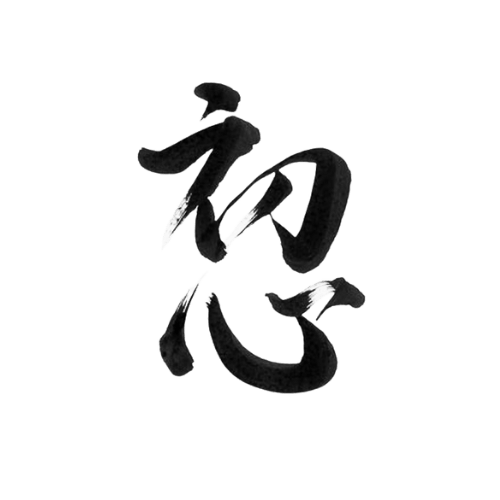
Shoshin (初心) is a Zen Buddhist concept that translates to « beginner’s mind ». It refers to the attitude of openness, eagerness, and lack of preconceptions that a true beginner brings to learning—even when studying at an advanced level. In this mindset, one approaches each experience as if encountering it for the first time, unclouded by expectations or rigid knowledge.
Shunryu Suzuki, a key figure in bringing Zen Buddhism to the West, famously said in Zen Mind, Beginner’s Mind:
“In the beginner’s mind there are many possibilities, but in the expert’s there are few.”
This seemingly simple idea is profoundly transformative.
Origins and Philosophical Roots
The concept of Shoshin originates in Zen Buddhism, a school of Mahayana Buddhism that emphasizes direct experience, mindfulness, and the practice of meditation (zazen). While Shoshin is not limited to religious practice, its philosophical roots are deeply tied to Chan (Chinese Zen) and later Japanese Zen traditions, especially the Sōtō school, which values quiet sitting and introspective awareness.
Zen masters cultivated Shoshin to challenge ego, intellectual arrogance, and fixed identity—three barriers to enlightenment. The idea is to meet the world with fresh eyes, unburdened by the illusion of « knowing. »
Notable Figures Connected to Shoshin
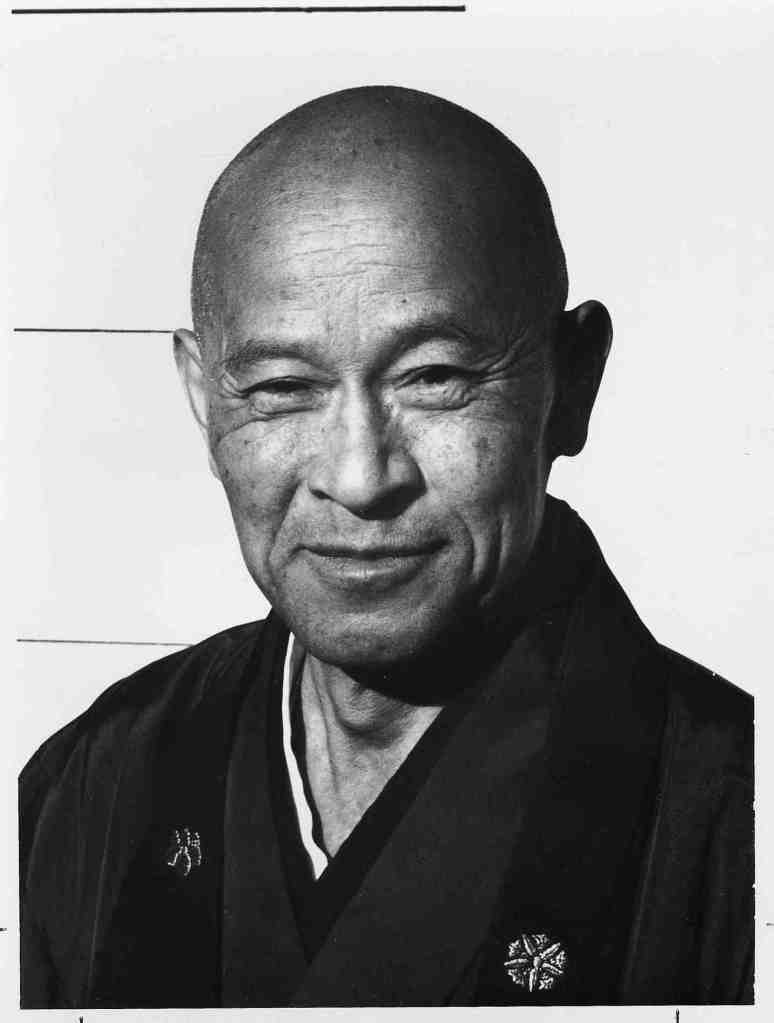
Shunryu Suzuki (1904–1971): Japanese Zen monk and teacher whose book Zen Mind, Beginner’s Mind brought the concept of Shoshin to a global audience. He taught that true mastery is only possible when one keeps returning to the beginner’s spirit.

Dōgen Zenji (1200–1253): Founder of the Sōtō Zen tradition in Japan. Dōgen emphasized “practice-realization,” the idea that the path is not a means to an end but the end itself. This ethos embodies Shoshin—practicing without striving for a goal.
Why Did the Concept Originate?
Shoshin emerged in a cultural context where hierarchy and mastery were deeply respected, especially in martial arts, calligraphy, tea ceremony, and spiritual practice. Over time, however, the ego and status that came with being an « expert » often led to stagnation.
Zen teachers recognized this. They saw that when students became attached to their titles, belts, or past knowledge, they stopped growing. Shoshin was a corrective philosophy—a return to wonder, humility, and infinite curiosity. It leveled the playing field between novice and master.
Interesting Facts & Historical Applications

In Martial Arts: Many samurai and later martial arts schools emphasized Shoshin as foundational. A black belt, for example, is not the end but the beginning of real learning. Masters would often repeat simple forms daily to maintain humility and presence.
In Zen Calligraphy: Monks would spend decades perfecting a single brushstroke—not for perfection, but to embody Shoshin in every movement, letting go of technique to let the moment flow.
In Science and Innovation: Though not named, the beginner’s mindset has been echoed by innovators like Albert Einstein, who said, “The important thing is not to stop questioning.” Breakthroughs often come from those who question what “experts” take for granted.


Why Shoshin Matters Today

Why Shoshin Matters Today
In today’s world, expertise is glorified. Resumes, certifications, and performance metrics dominate how we’re judged. But this obsession with mastery can lead to mental rigidity, ego-driven decisions, and burnout. We stop listening. We stop learning.
Shoshin invites us to:
- Question our assumptions
- Approach problems with curiosity, not certainty
- Embrace failure as part of learning
- Stay open in our relationships
- Reignite joy in our work and passions
Imagine if leaders, teachers, parents, and even governments operated from Shoshin—less about “being right,” more about being present and learning.

How Shoshin Can Radically Transform You
You Become a Better Listener: Dropping the need to “know” makes space for others to feel heard.
You Reclaim Joy in Learning: When you’re not afraid to be wrong, life becomes an experiment, not a performance.
You Cultivate Resilience: If everything is new, failure isn’t failure—it’s exploration.
You Improve Leadership and Creativity: Beginner’s mind keeps you curious. Instead of imposing answers, you invite innovation.
You Deepen Relationships: Preconceptions fall away. You see people as they are, not as your past experiences dictate.

Practising Shoshin Daily
Start each day with a journaling prompt: “What if I didn’t know the answer?”
Observe something ordinary (a tree, a cup, a sound) as if for the first time.
Enter conversations as if you have nothing to prove.
In your work, ask: “What would a total beginner do here?”
Meditate on not knowing. Breathe into the space of possibility.

In Conclusion
Shoshin is not naiveté. It’s a choice—a courageous return to a mindset where wonder and humility lead the way. It challenges the ego and nurtures the soul. In a world obsessed with outcomes, Shoshin invites us to rediscover the joy of simply being engaged, curious, and alive.
“Always be a beginner.”
– Zen Proverb
Learn how to make Zanshin a Lifelong Practice…
As someone who has dedicated over 30 years to the practice of Yoshukan and Shotokan Karate as well as Kobudo, I’ve come to realize that the principles we learn on the dojo floor extend far beyond the realm of martial arts. One of the most powerful concepts I’ve integrated into my life—and one that I believe can transform yours—is Zanshin. That’s why I’m excited to introduce Zanshin Leadership Workshops—a unique opportunity to delve deeper into the art of Zanshin and other timeless martial philosophies.
In these workshops, I’ll guide you on how to incorporate Zanshin into your daily life to enhance both your personal and professional well-being. Whether you’re a leader looking to cultivate more focused, mindful leadership, or someone seeking to navigate life with greater awareness and resilience, these workshops will offer practical strategies and insights to help you succeed. Together, we’ll explore how the principles of martial arts can lead to a more balanced, efficient, and fulfilling life. Join me on this journey, and let’s unlock the extraordinary potential within you.
Building a Culture of Zanshin in Your Organization
Upgrade Team Performance. Build a Culture of Precision and Resilience.
Zanshin Leadership delivers high-impact training that strengthens focus, emotional composure, and effective action across all levels of your organization—from frontline teams to senior management.
In today’s high-pressure environments, technical skills aren’t enough. Teams need the mental discipline to stay clear-headed, responsive, and aligned—even under stress.
Our workshops equip your workforce with practical tools to operate with greater awareness, accountability, and consistency—core capabilities that drive results.
If you’re ready to invest in a performance culture grounded in clarity and resilience, we’re ready to deliver.
➡️ Contact us to integrate Zanshin Leadership into your organizational training strategy.

📅 Upcoming Public Workshops
Register to join our public workshops today!
Atelier en français
Feb 28th & March 1st 2026
Sat: 1:30 p.m. to 5:00 p.m.
Sun: 10:00 a.m. to 4:00 p.m.
10-Hour In-Person Leadership Workshop
French | Paid Event
Location: Gadbois Recreation Complex | 5485 Chemin de la Côte-Saint-Paul, Montreal, QC H4C 1X3

Past Events
27 Sept & 28 Sept 2025
10-Hour In-Person Leadership Workshop
French | Paid Event
May 31 & June 1, 2025
10-Hour In-Person Leadership Workshop
French | Paid Event
April 26 & 27, 2025
10-Hour In-Person Leadership Workshop
French | Paid Event
View other past events…
March 8 & 9, 2025
10-Hour In-Person Leadership Workshop
French | Paid Event
November 16 & 17, 2024
10-Hour In-Person Leadership Workshop
French | Paid Event
September 18, 2024
5-Part In-Person Leadership Workshop
French | Paid Event

Join us!
Stay ahead in your leadership journey with exclusive insights, practical tips, and upcoming workshop announcements delivered straight to your inbox.

Subscribe
Get updates on our next workshops and exclusive events




 Leadership Zanshin