


Our Philosophy
Modern Leadership moulded by martial arts way of life
What is Zanshin?
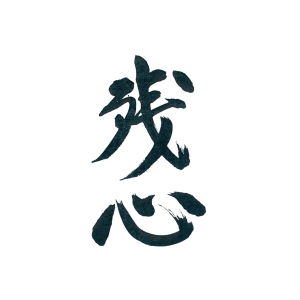
Zanshin (残心), a term rooted in Japanese martial arts, translates to « remaining mind » or « lingering spirit. » It embodies a state of heightened awareness and relaxed alertness, where the practitioner maintains full presence and attentiveness before, during, and after an action. This concept is not merely about physical readiness but also about mental and emotional vigilance, ensuring that one’s focus does not waver even after a task is completed.
In disciplines like kendo and kyūdō, zanshin is evident when a practitioner maintains proper posture and mental focus after executing a technique, signifying readiness for any subsequent actions. This continuous state of awareness is not confined to the dojo; it extends to everyday life, encouraging individuals to approach each moment with intention, mindfulness, and an unwavering presence.
Origins of Zanshin
The concept of zanshin has its roots in the samurai traditions of feudal Japan, where warriors were trained to maintain constant vigilance and mental readiness. This principle was essential not only for survival in combat but also for upholding the values of honor, discipline, and respect that were central to the samurai code, Bushidō.
Over time, zanshin evolved beyond the battlefield, influencing various martial arts and becoming integral to practices like karate, aikido, and kyūdō. In these disciplines, zanshin represents the seamless integration of mind and body, fostering a holistic approach to training that emphasizes continuous awareness, adaptability, and the cultivation of inner peace amidst external challenges.
The Philosophical Foundations of Martial Arts

Martial arts are deeply intertwined with philosophical principles that transcend physical techniques. At their core, they promote values such as respect, discipline, and mindfulness, guiding practitioners toward personal growth and self-mastery. These principles encourage individuals to act with integrity, maintain composure under pressure, and approach conflicts with a balanced and thoughtful mindset.
Furthermore, martial arts philosophies emphasize the importance of resilience and perseverance. Practitioners learn to view setbacks as opportunities for learning and development, fostering a growth mindset that is applicable both within and beyond the training hall. This philosophical framework empowers individuals to navigate life’s challenges with confidence, adaptability, and a steadfast commitment to continuous improvement.
The path of martial arts is often described as a “Way” or Dō (as in Karate-dō or Aiki-dō), pointing to its deeper role as a lifelong journey of ethical and spiritual cultivation. Far from being merely about combat, the training fosters self-reflection and inner transformation. Practitioners are encouraged to observe their thoughts, behaviors, and emotional patterns with honesty and clarity—tools that are equally vital for leaders aiming to build authentic influence and lead from a place of inner alignment. In this way, martial arts becomes a mirror, showing us our reactivity, our attachments, and our capacity for change.
Moreover, the dojo (training hall) is a place where ego is regularly humbled, and cooperation is as vital as competition. Even in sparring, the relationship with one’s partner is based on mutual respect and shared growth, not domination. This spirit of collaboration under pressure is a cornerstone of martial philosophy—fostering humility, compassion, and empathy. These are essential qualities in today’s leadership landscape, where the ability to listen deeply, empower others, and guide teams with emotional wisdom is as important as technical skill.
The Core Principles of Zanshin Leadership

Mindful Engagement
Shoshin – Beginner’s Mind
In our leadership workshops, we teach Shoshin to cultivate a mindset of openness and curiosity. By embracing the beginner’s mind, participants learn to let go of ego and preconceptions, allowing for deeper listening, creativity, and growth. This principle invites leaders to approach each challenge with fresh eyes, fostering continuous learning and more authentic collaboration in the workplace.

Effective Communication
Ukeireru – Acceptance
Ukeireru is the art of full acceptance—of oneself, others, and the moment. At Zanshin Leadership, we integrate this principle to help participants build emotional maturity and psychological safety within teams. Acceptance does not mean passivity; it means seeing clearly without resistance. This clarity enhances decision-making, team dynamics, and the ability to hold space for complexity and change.

Stress Management
Kokoro – Heart, Mind & Spirit in Unity
Kokoro is the integration of heart, mind, and spirit. In Zanshin Leadership, this principle underpins our entire approach—authentic leadership that stems from inner alignment. By leading with Kokoro, participants deepen their empathy, conviction, and connection to purpose, resulting in leadership that is resilient, compassionate, and deeply inspiring.

Mindful Living
Irimi – Strategic Blending
In our workshops, we explore Irimi, the martial concept of entering and blending with an opponent’s energy. In leadership, this translates to strategic engagement—knowing when and how to step in, align with others, and redirect challenges into opportunities. Irimi teaches presence, tact, and timing, essential for resolving conflict and leading with grace under pressure.

Emotional Awareness
Tekio & Ryūdō-se –
Adaptation and Fluidity
Adaptability is more than a skill—it’s a state of being. Through Tekio (adaptation) and Ryūdō-se (fluidity), we teach leaders to remain grounded yet flexible. In today’s changing landscapes, those who flow rather than force are the ones who thrive. These principles help participants stay agile, respond skillfully to uncertainty, and maintain inner balance through external shifts.

Preparedness
Chi Sao & Sokushin –
Refining Perception Through Movement
We use Chi Sao, or “sticky hands,” from Wing Chun traditions to train sensitivity and reflex through physical interaction. Paired with Sokushin—the concept of “body in motion”—leaders refine their ability to sense shifts, respond intuitively, and stay attuned in high-pressure environments. These practices build embodied awareness, enhancing trust, adaptability, and non-verbal communication.

Historic Figures Who Inspired the creation of Zanshin Leadership
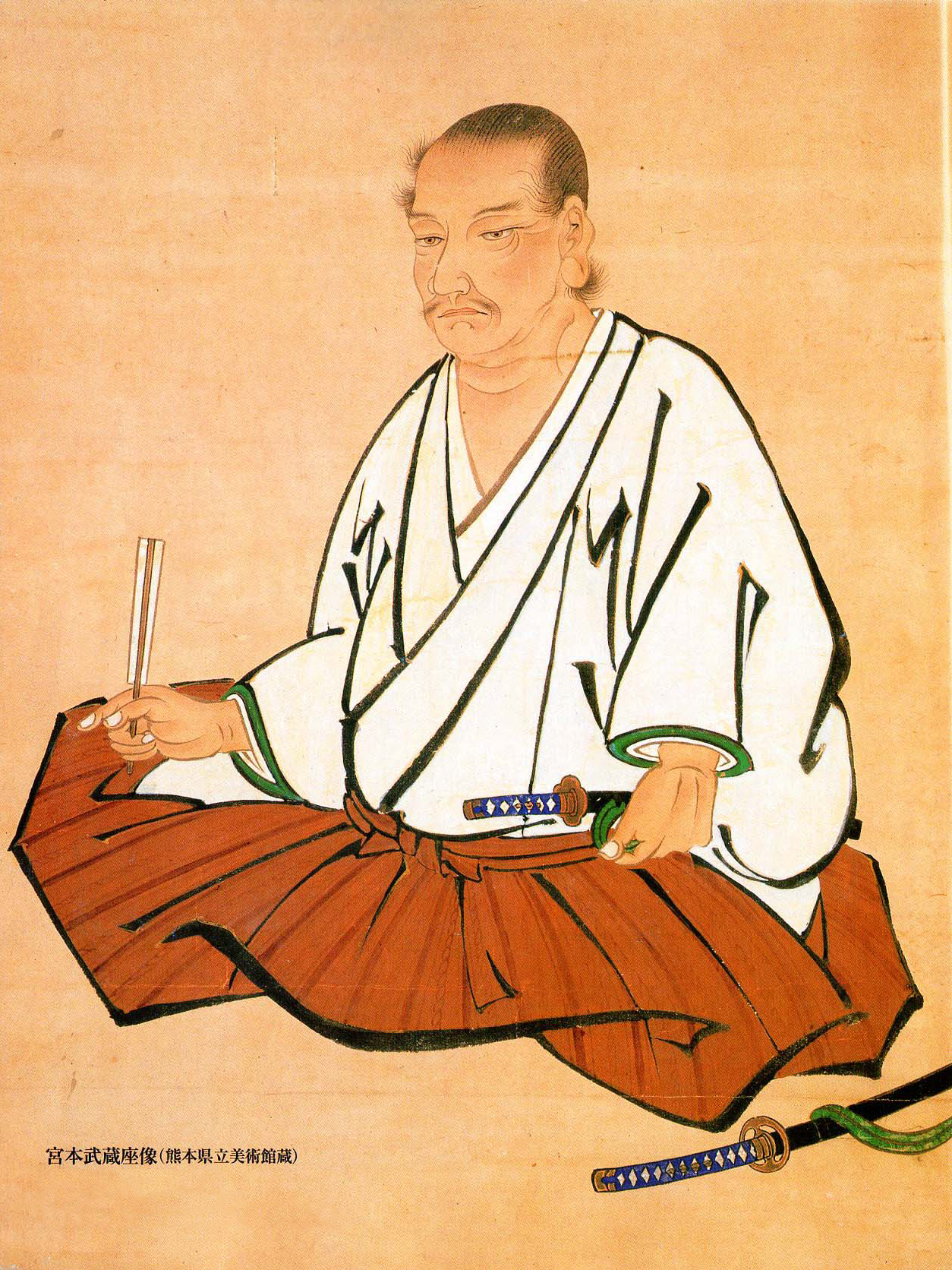
Miyamoto Musashi
Often regarded as Japan’s greatest swordsman, was a master of Zanshin. His life is filled with tales of incredible duels where his ability to maintain constant awareness and readiness made him invincible. One of the most famous stories is his duel with Sasaki Kojiro, where Musashi demonstrated not just his skill, but his profound mastery of Zanshin.
On the day of the duel, Musashi arrived hours late, throwing Kojiro off balance both mentally and emotionally. While Kojiro’s frustration grew, Musashi maintained a calm, almost meditative state. Even after delivering the final, decisive blow, Musashi didn’t immediately drop his guard. Instead, he maintained his composure and vigilance, fully aware that the danger wasn’t necessarily over until he was safely out of harm’s way. This moment perfectly encapsulates Zanshin—remaining fully present and prepared, even in victory.
Musashi’s entire life, much like his duels, was a practice of Zanshin. He wandered Japan as a ronin (a masterless samurai), constantly honing his craft, not just through physical training but through a disciplined and aware mindset. His classic book, « The Book of Five Rings, » continues to be a testament to his philosophy, teaching that the mind must remain as sharp as the blade.

Morihei Ueshiba
Morihei Ueshiba, the founder of Aikido, is another towering figure who embodied Zanshin throughout his life. Ueshiba’s practice of Zanshin was not confined to moments of conflict; it permeated every aspect of his life. Known for his serene presence and ability to harmonize with any attacker, Ueshiba’s Zanshin was deeply spiritual.
One anecdote often shared among Aikido practitioners involves an encounter where Ueshiba was attacked by a swordsman. As the swordsman rushed towards him, Ueshiba moved effortlessly, as if in a dance, completely in sync with the attacker’s energy. He remained so attuned to the moment that he could anticipate every move before it happened, guiding the swordsman’s force away without causing harm. After the encounter, Ueshiba reportedly said, « If your heart is large enough to envelop your adversaries, you can see right through them, avoid their attacks, and even turn their destructive energy into their own defeat. »
Ueshiba’s teachings revolved around the idea that Zanshin is not just about being aware of your surroundings but also about being in harmony with the world around you. His deep spiritual practice, combined with his martial prowess, allowed him to live in a state of continuous, calm awareness, embodying Zanshin not just in the dojo but in every interaction.
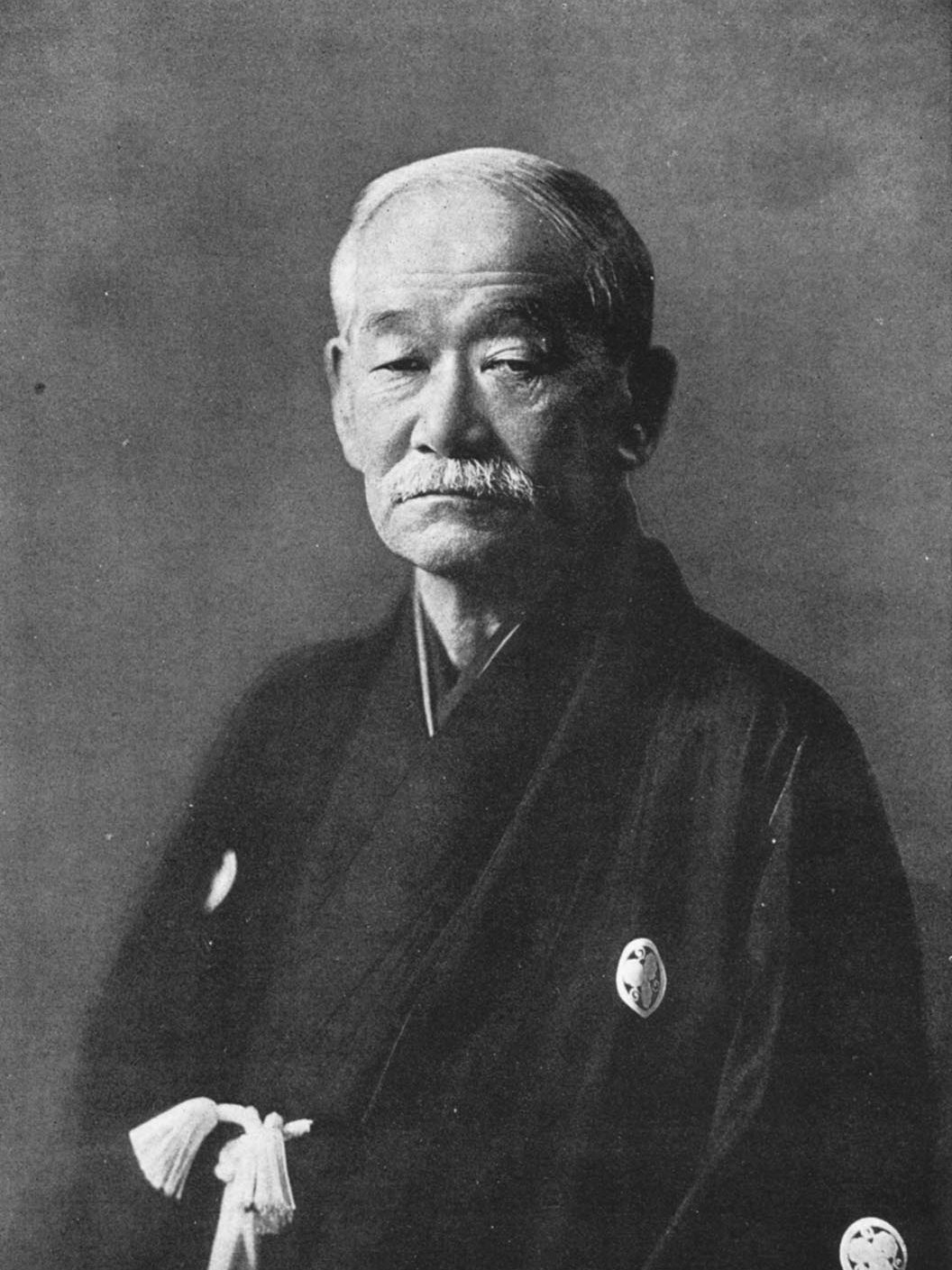
Jigoro Kano
Jigoro Kano, the founder of Judo, also deeply understood and practiced Zanshin, although in a slightly different manner. Kano’s approach to Zanshin was tied to his broader philosophy of « Seiryoku Zenyo », which means « maximum efficiency with minimal effort, » and « Jita Kyoei », which translates to « mutual welfare and benefit. »
Kano was known for his meticulous nature, always observing and assessing situations with an acute awareness. This was evident in his development of Judo itself—Kano distilled the techniques of traditional jujutsu into a system that emphasized not just physical strength but the mental and spiritual aspects of martial arts. He believed that Zanshin was essential for a judoka, as it allowed one to stay fully engaged and responsive, whether in competition, teaching, or daily life.
A notable example of Kano’s Zanshin was his approach to teaching and education. He saw every moment as an opportunity to learn and improve, whether he was in the dojo or not. When he traveled, he would often observe the way people moved, the way they interacted, and how they handled challenges. This constant state of observation and awareness informed his teachings and allowed him to continuously refine Judo as both a martial art and a way of life.
The Martial Mindset for 21st-Century Leadership
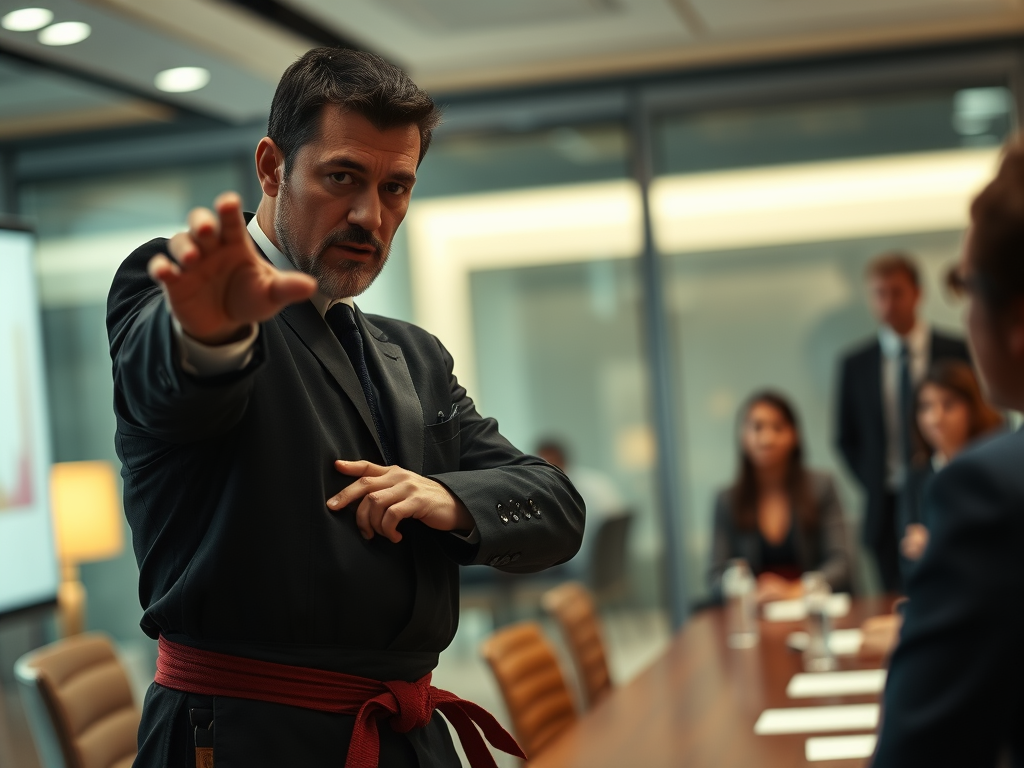
In today’s fast-paced and often chaotic world, the principles of Zanshin Leadership are more relevant than ever. Whether we’re navigating the pressures of the workplace, managing personal relationships, or simply trying to live more mindfully, Zanshin Leadership offers a framework for maintaining constant awareness and being fully present in every moment. In the ever-changing business landscape, leadership requires more than just technical expertise or a results-driven approach. It demands a mindset that can navigate complexity, foster collaboration, and adapt to challenges with clarity and resilience. The Zanshin Leadership mindset, honed over centuries of practice and philosophy, offers profound insights that are as relevant to modern leadership as they are to the dojo. At its core, Zanshin Leadership emphasizes balance—between strength and flexibility, discipline and creativity, focus and flow. Leaders who adopt these principles cultivate a deeper level of awareness, emotional intelligence, and agility in the face of uncertainty.
By integrating martial arts philosophies such as Shoshin (beginner’s mind), Ukeireru (acceptance), and Irimi (blending), leaders can build a foundation for sustainable success and personal growth. These teachings equip individuals to stay present, make thoughtful decisions under pressure, and create environments where teams thrive. The martial mindset encourages leaders to embrace challenges, learn continuously, and build resilience—not just for themselves, but for the entire organization. This philosophy empowers leaders to cultivate a culture of focus, adaptability, and mutual respect, qualities essential for navigating the complexities of the 21st century.

Cultivating Growth-Oriented Leadership
High-impact leadership today demands more than technical expertise—it calls for emotional intelligence, curiosity, and inner alignment. The concept of the “beginner’s mind” (Shoshin) encourages leaders to stay humble and open to learning, even at the top of their field. This mindset, combined with Kokoro—leading with heart, mind, and spirit—builds leaders who are approachable, reflective, and visionary. Such leadership fosters psychological safety, encourages innovation, and nurtures trust across teams.
Developing Agile and Adaptive Professionals
In fast-evolving business environments, the ability to adapt under pressure is a core professional asset. Principles like Ukeireru (acceptance), Tekio (adaptation), and Ryūdō-se (fluidity) teach us to stay grounded in uncertainty and adjust quickly without losing our center. Employees and entrepreneurs alike benefit from this flexible mindset, transforming challenges into learning opportunities and approaching obstacles with a calm, solutions-oriented attitude. Resilience here is not about toughness—it’s about responsiveness and sustainability.

Enhancing Team Synergy and Communication
Strong teams thrive on empathy, active listening, and intuitive collaboration. Drawing on principles like Chi Sao—which trains refined awareness through motion—and Irimi, the art of blending rather than confronting, professionals can learn to engage with others more constructively. These values cultivate emotionally intelligent teams who resolve conflict gracefully, adapt to each other’s strengths, and co-create in flow. In practice, this leads to improved communication, stronger relationships, and a workplace culture where trust drives performance.
Real-World Examples of Zanshin Leadership in Action

Leaders who follow Zanshin
Several renowned business leaders credit martial arts with shaping their leadership styles and decision-making. LinkedIn CEO Jeff Weiner has often spoken about the importance of compassionate leadership and mindfulness—principles that resonate deeply with Kokoro and Shoshin. Salesforce founder Marc Benioff, a long-time practitioner of Aikido, attributes his approach to conflict resolution and team alignment to the philosophy of Irimi—entering with presence and empathy rather than opposition. These leaders exemplify how martial arts values can foster calm authority, clarity under pressure, and ethical decision-making in highly competitive corporate environments.

Success Stories
Beyond CEOs, many entrepreneurs and creatives have turned to martial arts as a lifelong practice that informs their personal and professional breakthroughs. Vera Wang, the iconic fashion designer, was once a competitive figure skater and trained in martial arts for discipline and mental focus—key to her resilience in a cutthroat industry. Sarah Hamilton, founder of skincare brand Sand & Sky and former CEO of Bellabox, has spoken about how her martial arts practice helped her develop focus, resilience, and self-belief while building her companies from the ground up. Similarly, Naval Ravikant, entrepreneur and founder of AngelList, has explored martial philosophy to cultivate presence, equanimity, and self-mastery—values he ties to long-term success and fulfillment. These stories reflect how Ukeireru (acceptance), Tekio (adaptability), and Shoshin (beginner’s mind) can lay the groundwork for success in fields that demand creativity, grit, and strategic adaptability.

High-Stakes Situations
In high-stakes professions, the core principles of martial arts—such as Zanshin (focused awareness), Irimi (blending), and Tekio (adaptability)—have helped individuals remain calm, responsive, and effective under extreme pressure. Dr. Ruth L. Gottesman, renowned educator and philanthropist, demonstrated Ukeireru (acceptance) and Kokoro (heart-mind integration) when she donated $1 billion to medical education, a decision grounded in both strategic clarity and compassion in a complex healthcare landscape. NASA astronaut Dr. Shannon Lucid, who spent 188 days aboard the Mir space station, exemplified Sokushin (embodied presence in motion) and Ryūdō-se (fluidity) through her adaptability during isolation, technical challenges, and cross-cultural collaboration in space. In the realm of crisis negotiation, former FBI lead negotiator Chris Voss has emphasized the power of deep listening, empathy, and emotional regulation—skills deeply aligned with Irimi and Chi Sao principles of entering connection without conflict. These examples show how martial wisdom is not just a combat tool—it’s a compass for clarity, grace, and action when it matters most.
Learn how to make Zanshin a Lifelong Practice…
As someone who has dedicated over 30 years to the practice of Yoshukan and Shotokan Karate as well as Kobudo, I’ve come to realize that the principles we learn on the dojo floor extend far beyond the realm of martial arts. One of the most powerful concepts I’ve integrated into my life—and one that I believe can transform yours—is Zanshin. That’s why I’m excited to introduce Zanshin Leadership Workshops—a unique opportunity to delve deeper into the art of Zanshin and other timeless martial philosophies.
In these workshops, I’ll guide you on how to incorporate Zanshin into your daily life to enhance both your personal and professional well-being. Whether you’re a leader looking to cultivate more focused, mindful leadership, or someone seeking to navigate life with greater awareness and resilience, these workshops will offer practical strategies and insights to help you succeed. Together, we’ll explore how the principles of martial arts can lead to a more balanced, efficient, and fulfilling life. Join me on this journey, and let’s unlock the extraordinary potential within you.
Building a Culture of Zanshin in Your Organization
Upgrade Team Performance. Build a Culture of Precision and Resilience.
Zanshin Leadership delivers high-impact training that strengthens focus, emotional composure, and effective action across all levels of your organization—from frontline teams to senior management.
In today’s high-pressure environments, technical skills aren’t enough. Teams need the mental discipline to stay clear-headed, responsive, and aligned—even under stress.
Our workshops equip your workforce with practical tools to operate with greater awareness, accountability, and consistency—core capabilities that drive results.
If you’re ready to invest in a performance culture grounded in clarity and resilience, we’re ready to deliver.
➡️ Contact us to integrate Zanshin Leadership into your organizational training strategy.

Join us!
Stay ahead in your leadership journey with exclusive insights, practical tips, and upcoming workshop announcements delivered straight to your inbox.

Subscribe
Get updates on our next workshops and exclusive events



 Leadership Zanshin