

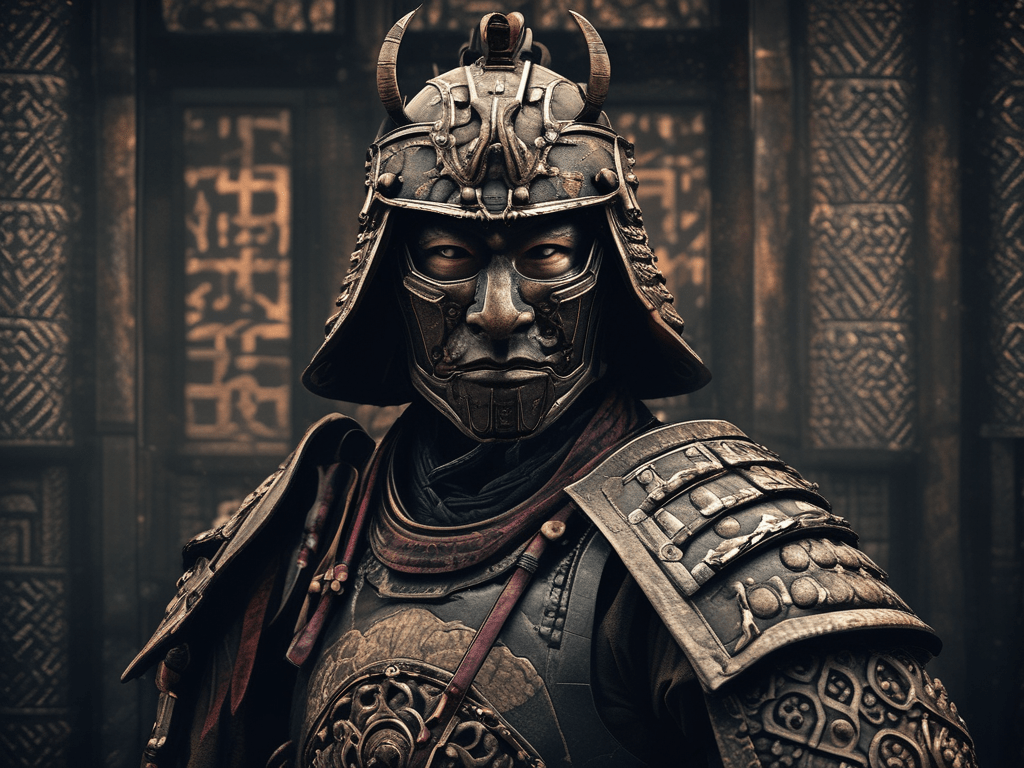
Zanshin is one of those ancient concepts that has quietly shaped the lives of warriors, philosophers, and artists for centuries. It’s not just a martial arts technique; it’s a way of being—a state of heightened awareness that can transform how we navigate the world. To truly appreciate the power of Zanshin, let’s delve into its rich history and explore the writings of those who have preserved its wisdom.
Origins in the Samurai Tradition
Zanshin, often translated as « remaining mind » or « lingering mind, » is deeply rooted in the practices of the samurai, Japan’s warrior class. In the heat of battle, the ability to remain fully aware and present was crucial for survival. Zanshin wasn’t just about the moments of action; it extended beyond the fight, embodying a continuous state of readiness and mindfulness.
In « The Book of Five Rings » (Go Rin no Sho) by Miyamoto Musashi, one of Japan’s most famous swordsmen, the concept of Zanshin is alluded to in his teachings on strategy and combat. Musashi emphasized the importance of being aware of one’s surroundings, of maintaining a calm mind even in the face of chaos. This mental discipline allowed the samurai to anticipate their opponent’s moves and react with precision, but it also served them in everyday life.
Zanshin wasn’t confined to the battlefield. It was integrated into the practice of other traditional arts like tea ceremony (Chadō), archery (Kyūdō), and calligraphy (Shodō). Each of these disciplines demanded the practitioner to be fully engaged in the present moment, embodying the principles of Zanshin in every movement and breath.
Zanshin in Martial Arts
In martial arts, Zanshin is a foundational concept, particularly in disciplines like Aikido, Kendo, and Kyūdō. Aikido founder Morihei Ueshiba often spoke of Zanshin as a state of mind that transcended mere technique. He believed that a true martial artist must always be prepared, not just physically but mentally and spiritually. Ueshiba taught that Zanshin was about maintaining awareness of one’s surroundings and being ready to respond, even after an encounter had seemingly ended.
The idea of Zanshin is also central to Kendo, the way of the sword. In Kendo, practitioners are trained to maintain Zanshin after delivering a strike, ensuring that they are not only aware of their opponent’s next move but also of their own state of mind. This practice fosters a sense of calm vigilance that extends beyond the dojo.
Zanshin in Modern Times
The wisdom of Zanshin has transcended its martial origins and found relevance in modern life. Today, many leaders, coaches, and mindfulness practitioners draw upon the principles of Zanshin to cultivate presence and focus in a fast-paced world.
In « Zen in the Martial Arts » by Joe Hyams, the author shares his experiences training with martial arts masters who embody Zanshin. Hyams highlights how this state of awareness is not just about combat but about living with a heightened sense of attention to every detail. Zanshin, as he describes, is the art of being fully present, which leads to greater clarity, creativity, and calm.
Similarly, « The Art of Peace » by Morihei Ueshiba, though rooted in Aikido, offers insights that apply universally. Ueshiba’s teachings on Zanshin encourage us to cultivate an inner stillness that allows us to move through life with grace and purpose. He believed that through Zanshin, we can connect more deeply with ourselves and the world around us.
The Continuing Relevance of Zanshin
Zanshin is a timeless principle that invites us to live with intention, awareness, and an open heart. It’s a reminder that true mastery, whether in martial arts or in life, comes from the ability to remain present and fully engaged in every moment. By studying the history and wisdom of Zanshin, we can begin to cultivate this powerful state of mind in our own lives.
So, as you move through your day, consider how you can practice Zanshin. Whether you’re facing a challenging task, having a conversation, or simply enjoying a quiet moment, Zanshin is there—waiting to help you connect more deeply with the present and with yourself.
The journey into the world of Zanshin has only just begun. As you explore this ancient practice, you’ll find that its lessons are as relevant today as they were centuries ago. And the more you learn, the more you’ll discover how Zanshin can transform your approach to life. Curious to learn more? There’s a wealth of wisdom to uncover, and this is just the beginning.
 Leadership Zanshin